




What if the real question isn’t “How much does it cost to build an Android app?”
but rather—
“What does it take to build an Android application that can actually perform at an enterprise level?”
Many CEOs and CTOs start conversations with cost.
But what they genuinely want is clarity:
- What drives the number up?
- What keeps the budget under control?
- What separates a standard custom app from an enterprise-ready solution?
- How do you invest wisely without creating technical debt?
This guide breaks down the real cost factors, benchmark ranges, and the decisions that influence your budget more than you might expect.
As a technology partner supporting global enterprises, Techmango’s goal is simple:
Give you clarity before you commit.
Why Cost Estimation Matters in Android App Development
Android projects rarely go wrong because of weak concepts — more often, they fail because leaders underestimate:
- Engineering depth
- Data and security requirements
- Integration workloads
- Long-term maintenance obligations
- Testing effort due to device diversity
A realistic estimate helps you avoid:
✔ Budget overruns
✔ Late releases
✔ Rebuilding architecture midway
✔ Security vulnerabilities
✔ Hidden long-term costs
For decision-makers, estimating cost isn’t paperwork —
it’s risk management.
What Factors Affect Android App Development Cost?
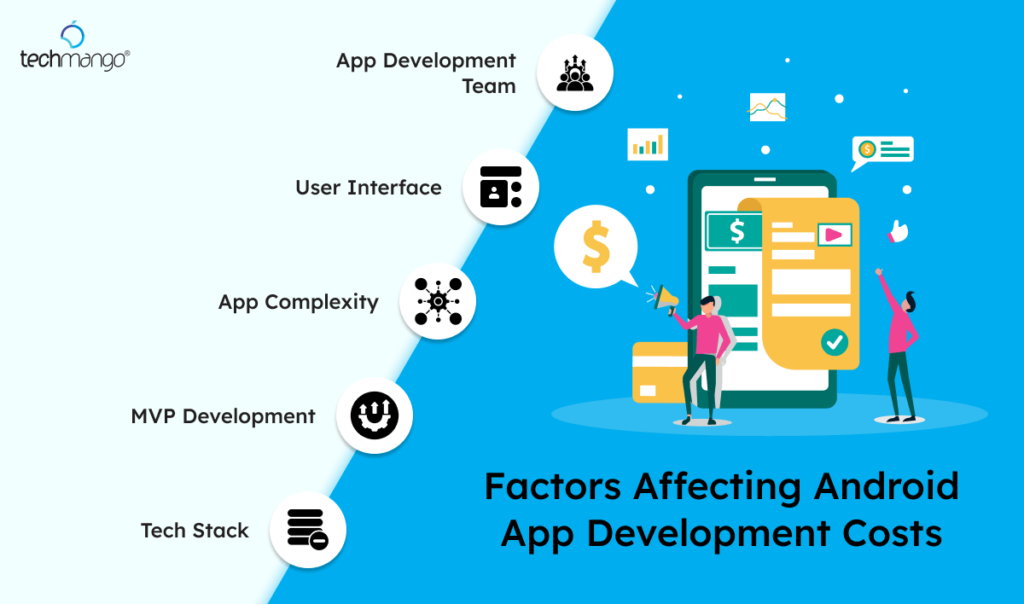
Several variables influence what you’ll ultimately invest:
- App complexity and functionality
- Required security and compliance standards
- Integrations with ERP, CRM, payments, or third-party APIs
- Backend architecture (cloud, microservices, legacy systems)
- UI/UX design quality
- Testing scope (Android fragmentation matters)
- Ongoing updates and maintenance
- Team composition (in-house, outsourced, hybrid)
Enterprise apps are rarely “simple.”
Cost scales with responsibility.
What Makes an Android App Expensive to Build?
The biggest cost drivers we see across enterprise projects:
1. Complex user workflows
Multiple user roles, dashboards, access rules, approval chains.
2. Real-time features
Chat, live tracking, telemedicine, live updates, notifications at scale.
3. Integration-heavy ecosystems
SAP, Salesforce, payment gateways, IoT devices, logistics platforms.
4. High-level security & compliance
HIPAA, PCI-DSS, GDPR, SOC 2, industry-specific audits.
5. Custom UI/UX interactions
Animations, micro-interactions, multi-theme design.
6. AI/ML & Generative AI modules
Personalization, recommendation engines, AI assistants — now requested frequently.
These are the features executives underestimate the most.
If you’re still evaluating whether mobile app development is the right investment for your business, read our article on the Significance of Mobile App Development for Business Success. It highlights why mobile apps are essential in today’s digital-first economy.
Typical Cost Ranges for Android App Development
|
App Type |
Cost Range |
|
Basic App |
$30,000 – $60,000 |
|
Mid-Complexity App |
$60,000 – $150,000 |
|
Enterprise App |
$150,000 – $500,000+ |
|
AI/GenAI-Driven App |
$200,000 – $700,000+ |
These figures reflect realistic engineering requirements.
Which Industries Spend the Most on Android App Development?
Higher investment:
- Healthcare (compliance + multi-role workflows)
- Financial services (security + audits)
- Logistics & mobility (real-time tracking, IoT)
- Transport & delivery apps
Mid-range investment:
- Retail
- EdTech
- Hospitality
- Media
Lower investment:
- Simple B2C apps
- Lightweight utility apps
How to Control and Reduce Android App Development Costs
Executives consistently benefit from these strategies:
- Prioritize MVP first
- Keep v1 feature scope focused
- Select a cloud-native backend
- Use modular architecture
- Automate testing early
- Use APIs instead of custom-building everything
- Standardize documentation
- Avoid unnecessary third-party dependencies
Smart choices reduce cost without compromising quality.
Hidden Costs Leaders Often Miss
- Data migration
- API rate-limit & license fees
- Infrastructure scaling
- Version upgrades
- Security audits
- Analytics instrumentation
- Push notification infrastructure
These often cause surprise budget increases.
What Drives Cost the Most in Android Development?
- Feature complexity
- Real-time functionality
- Security and compliance
- Backend architecture
- Integration requirements
- UX expectations
- Testing depth
Apps don’t become expensive randomly —
they become expensive for identifiable, predictable reasons.
Looking to optimize development costs further? Don’t miss our deep dive into the Factors Impacting the Offshore App Development Cost. It’s a great guide if you’re considering outsourcing your project.
Why Choose Techmango?
Because we don’t just build Android apps.
We engineer long-term digital assets.
Techmango brings:
- Architecture-first engineering
- Transparent pricing
- Enterprise-grade mobile expertise
- Scalable backend + Android teams
- Deep experience in finance, healthcare, logistics, retail, SaaS
- Consistent delivery across complex use cases
Our goal is simple:
Build what moves your business forward — efficiently and responsibly.
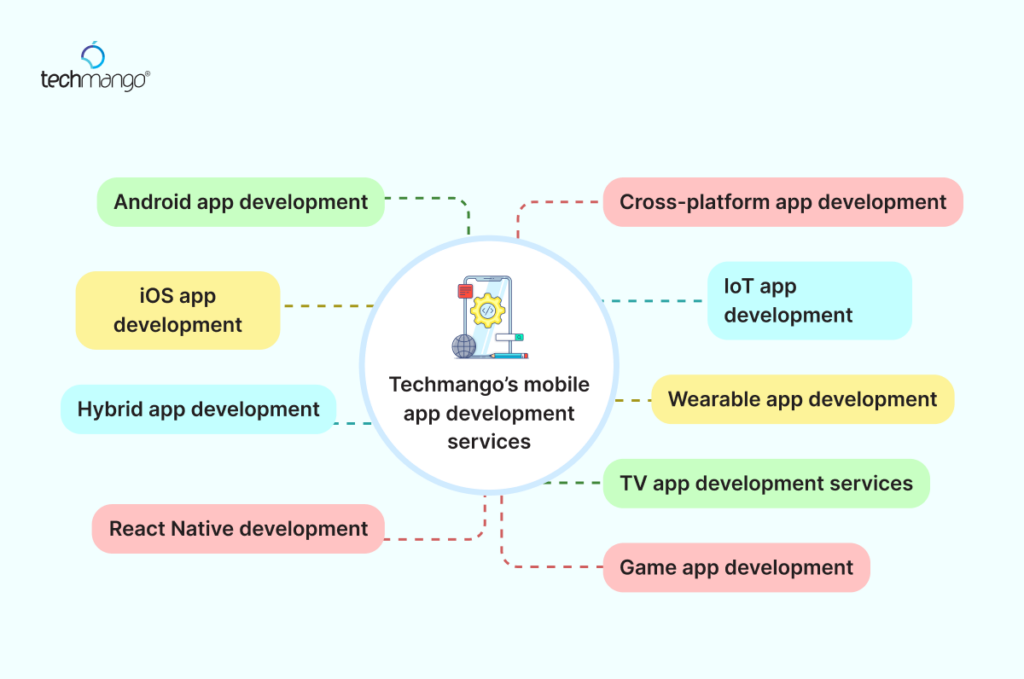
Ready to build your Android app with a reliable partner? See how Techmango can help you Dominate Your Competitors and Gain a Competitive Edge with expert mobile app development services.
Final CEO Checklist Before Approving Development Budget
✔ Do we have clarity on essential features?
✔ Are integration requirements fully understood?
✔ Is backend architecture defined?
✔ Have we mapped compliance needs?
✔ Are we distinguishing v1 from future versions?
✔ Has maintenance cost been estimated?
✔ Is the engineering partner experienced in enterprise-scale apps?
If any answer is unclear, you shouldn’t sign off yet — and we can help you get that clarity.
This blog is a great guide for anyone planning an Android app! It clearly outlines the key cost factors and smart strategies like MVP development to stay within budget. Techmango’s approach to faster delivery and cost efficiency makes them a strong partner for Android app development.